Fever After Rhinoplasty: Normal or Warning Sign

In short
A mild fever under 37.5°C in the first 48 hours after rhinoplasty is usually a normal response to anesthesia and surgery. Fever above 38°C, a delayed onset, or chills with foul-smelling discharge should be reported to your surgeon the same day.
Is Fever After Rhinoplasty Normal or a Warning Sign?
A mild fever up to around 37.5°C in the first 24 to 48 hours after rhinoplasty is, for many patients, part of the body's normal response to general anesthesia and surgical tissue trauma, and on its own it does not mean infection. But fever that starts later, climbs above 38°C, or comes with chills, spreading redness, or foul-smelling discharge should be reported to your surgeon the same day.
This article is educational and does not replace an in-person exam or direct contact with your surgical team. Only the clinician who knows the details of your surgery, your anesthesia, and your health history can tell you whether your specific symptom is normal or needs review. If you are traveling for surgery and recovering away from your home country, ask your surgical team in advance how to reach them and what your local emergency options are, since a delayed message across time zones is not a safe way to handle a rising fever.
Why Does the Body Run a Fever After Rhinoplasty?

After any surgery, including rhinoplasty, the body enters a natural inflammatory phase that can raise temperature slightly on its own. According to StatPearls, this type of early postoperative fever is common among surgical patients and mostly reflects the healing process rather than a separate illness. Early fever is not automatically a problem, but it should stay within a normal time window and intensity.
Inflammatory Response to Tissue Injury
In rhinoplasty, the nasal bone and cartilage are reshaped or repositioned, and the surrounding soft tissue mounts a healing response. That response releases inflammatory substances that can temporarily nudge the body's temperature-regulation center upward. This effect is usually strongest on day one or two and then fades gradually.
The Role of General Anesthesia
General anesthesia, used in many rhinoplasty procedures, can itself shift body temperature slightly in the first hours after surgery. Mayo Clinic lists a bad reaction to anesthesia alongside bleeding and infection as known risks of this surgery, which is why the anesthesia team monitors vital signs, including temperature, closely in the early recovery period.
What Temperature Is Normal, and What Counts as a Warning Sign?
Across most surgical guidance, a temperature under 37.5°C in the first two days is generally considered normal, 37.5°C to 38°C calls for closer monitoring, and anything above 38°C, especially if it appears after day two or three, should be reported to your surgeon. These numbers are guidance ranges, not a rigid rule for every patient.
| Temperature range | Typical timing | Likely meaning |
|---|---|---|
| Under 37.5°C | First 24–48 hours | Normal response to surgery and anesthesia |
| 37.5°C–38°C | Day 1–3 | Worth monitoring, not automatically alarming |
| Above 38°C | Any time, especially after day 2–3 | Possible infection or other cause; contact your surgeon |
| Above 38.5°C with chills | Any time | Needs prompt medical evaluation |
According to StatPearls, the timing of fever onset matters for figuring out its cause: fever in the first day or two is more often explained by the normal inflammatory response or anesthesia, while fever appearing three to seven days after surgery more often points toward evaluation for a surgical site infection.
What Symptoms Alongside Fever Suggest Infection?
Fever alone is not always diagnostic; the symptoms that come with it clarify the picture. Mayo Clinic identifies several accompanying signs as reasons to seek prompt medical attention. In the context of nasal surgery, relevant signs can include:
- Significant chills with fever: especially if they persist despite fever-reducing medication.
- Spreading redness around the nose or splint: distinct from the usual mild bruising after surgery.
- Foul-smelling or purulent discharge from the nose: different from the thin, blood-tinged drainage typical of the first few days.
- Pain that worsens again after initially improving: an "improve then worsen" pattern is more concerning than steadily fading discomfort.
- Asymmetric swelling that keeps increasing after day three or four: unlike typical swelling, which usually starts easing by then.
Normal Fever vs. Concerning Fever: A Side-by-Side Comparison

Comparing the two patterns directly makes it easier to know when to simply recheck your temperature and when to call the clinic. This table does not replace an exam, but it gives you a practical reference.
| Feature | Normal post-surgical fever | Concerning fever |
|---|---|---|
| Onset | Usually first 24–48 hours | Day three onward, or delayed onset |
| Trend | Decreasing over hours | Steady or rising |
| Temperature | Usually under 38°C | Often above 38–38.5°C |
| Associated symptoms | Mild fatigue, no significant chills | Chills, spreading redness, foul odor |
| Response to medication | Usually controlled with acetaminophen | May persist despite medication |
How to Manage a Mild Fever at Home After Rhinoplasty

For a mild fever within the normal range, initial management usually includes rest, adequate fluids, and an approved medication; but any medication should be cleared by your surgeon, since post-rhinoplasty guidance differs from routine fever care.
Why Acetaminophen Is Preferred Over Other Painkillers
Mayo Clinic explicitly advises against aspirin- or ibuprofen-containing medications for two weeks before and after rhinoplasty, since they can increase bleeding risk. For this reason, controlling mild fever or pain in this period usually means using only the medication your surgeon has prescribed or approved, not any common over-the-counter fever reducer.
Tracking Temperature and Symptoms Regularly
Check and log your temperature every few hours, especially in the first 48 hours. A steadily decreasing trend is generally reassuring; a steady rise, or fever returning after a period of improvement, is a signal to report to your surgeon rather than simply managing with a higher medication dose.
Rest and Fluids, Not Strenuous Activity
The ASPS rhinoplasty recovery guide emphasizes following your surgeon's specific wound-care instructions and watching for unusual symptoms at the surgical site. Adequate rest and avoiding strenuous activity in the first days both help reduce swelling and avoid adding load to a body already managing a normal inflammatory response.
What Symptoms Need an Urgent Call to Your Doctor?

Certain symptom combinations should not wait until the next day or your next scheduled visit. Same-day contact or urgent evaluation is generally advised for:
- Fever above 38.5°C that does not respond to medication or lasts more than a day.
- Significant chills with fever, especially with a general feeling of being unwell.
- Spreading redness, warmth, or swelling around the nose that is getting worse, not better.
- Foul-smelling or purulent discharge, especially if dark or greenish.
- Heavy or persistent bleeding, not the small spotting typical of the first days.
- Severe pain that medication does not control or that suddenly increases.
According to MedlinePlus, a high fever accompanied by severe general symptoms such as a severe headache, confusion, or a stiff neck warrants urgent medical evaluation regardless of the type of surgery.
When to Consult Your Doctor

If you are unsure whether your temperature is normal, calling the clinic is a routine part of aftercare, not an imposition. Before you call, it helps to note your exact temperature, when the fever started, any medication you have taken, and any accompanying symptoms like redness or discharge, so the care team can give you accurate guidance faster.
International patients recovering away from Tehran should confirm, before returning home, exactly how to reach the clinic and what local backup options exist if a concerning fever develops after they have left the country. Delaying contact, especially when fever is rising or accompanied by chills, can make timely diagnosis and treatment harder.
Frequently Asked Questions
Is a temperature of 37.5°C normal after rhinoplasty?
Yes, for many patients a temperature up to around 37.5°C in the first 24 to 48 hours after rhinoplasty is part of the body's normal response to surgery and anesthesia. If it is trending down and you have no other symptoms like significant chills or foul-smelling discharge, it is usually not an immediate concern, but keep monitoring it.
From which day does fever after rhinoplasty become concerning?
Fever that starts after day two or three, or that returns after a period of improvement, is more concerning than fever on day one. This pattern is often associated in surgical literature with a possible surgical site infection and should be reported to your surgeon the same day.
Can I take acetaminophen for fever after rhinoplasty?
Usually yes, but only with your surgeon's approval and at the prescribed dose. Aspirin- and ibuprofen-containing medications are generally avoided around the time of rhinoplasty because they can increase bleeding risk, according to Mayo Clinic, so do not choose a medication on your own.
Are chills after rhinoplasty dangerous?
Brief, mild shivering right after waking from anesthesia can be a normal reaction to anesthesia medications. But significant chills with a high fever, or chills appearing hours after surgery along with a general feeling of illness, should be reported to your surgical team promptly.
How many days after rhinoplasty can fever occur?
Early fever linked to surgery and anesthesia is most common in the first two days. However, fever can occur up to about a week after surgery; the further it is from the surgery date, the more likely it is linked to infection or another cause, and the more important medical evaluation becomes.
Can fever be a sign of infection even without other symptoms?
Yes, fever can sometimes start before redness or obvious discharge appears. For this reason, a fever that is delayed, high, or persistent still deserves a call to your surgeon even without another symptom, so an exam can be arranged if needed.
Sources
- Mayo Clinic — Rhinoplasty
- Mayo Clinic — Fever: Symptoms & causes
- StatPearls (NIH) — Postoperative Fever
- MedlinePlus (NIH) — Fever
- American Society of Plastic Surgeons — Rhinoplasty Recovery
Current rhinoplasty pricing and aftercare details are listed on the services page. For guidance specific to your own recovery, visit the rhinoplasty page or book a consultation with Dr. Salmani's practice. You may also find the article on sneezing and nose-blowing after rhinoplasty useful for other early recovery precautions.
This article is educational and does not replace an in-person examination or consultation. Discuss any surgical decision with your own physician.
About the author
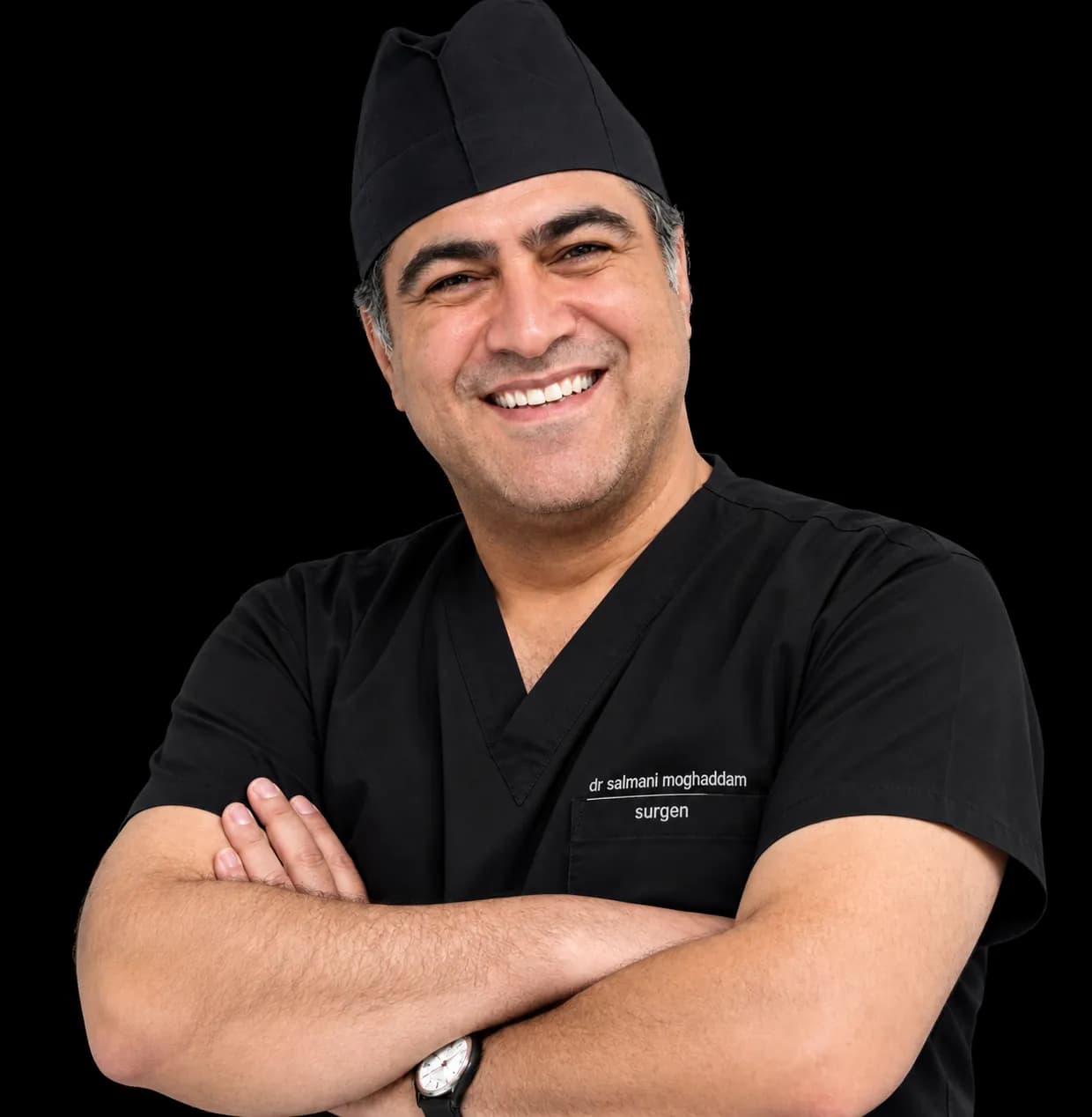
General Surgeon
Medical Council No.: 74530
Board-certified general surgeon focused on body contouring, abdominoplasty, VASER liposuction and aesthetic breast surgery.
- Board-certified general surgeon
- Member of the Iranian Medical Council
- Specialist in body contouring, VASER liposuction and aesthetic breast surgery
Medically reviewed by a physician
See the full profileQuestions about this procedure?
A consultation covers your own anatomy, what is realistically achievable, and what it involves.
Rhinoplasty (Nose Surgery)Comments
No comments yet. Be the first to write one.
Related articles
Sex After Rhinoplasty: How Many Days Should You Wait
Most surgeons allow gentle sexual activity around two weeks after rhinoplasty; higher-intensity activity is usually delayed three to four weeks. A raised heart rate and blood pressure are what increase bleeding and cartilage-shifting risk.
Read moreShaving, Brushing Teeth, and Talking After Rhinoplasty
Gentle shaving away from the bridge, soft-brush tooth brushing, and less talking are usually fine within days of rhinoplasty, since all three move the mouth and can pressure the healing area. Waxing and threading should wait until swelling settles.
Read moreShowering and Washing Your Face After Rhinoplasty
After rhinoplasty, showers are usually replaced with a shallow bath or sponge washing until the splint or tape comes off, keeping water away from the face. Once removed, your surgeon's approval allows lukewarm showers without pressure on the nose.
Read more